Quote from
Bijoyees on May 28, 2026, 1:34 pm
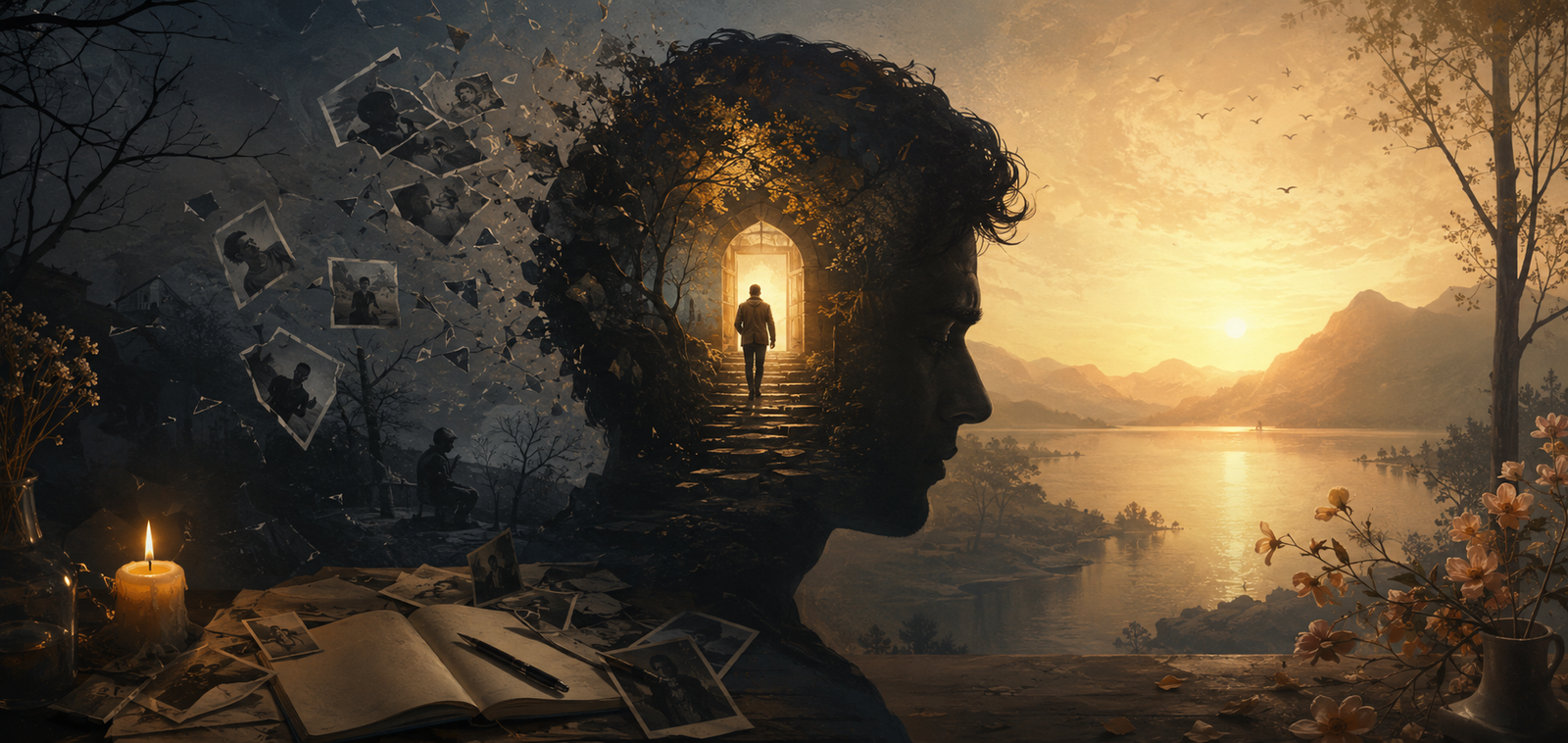
Writing memories or memorials about a Guru or a loved one is, in a way, like a form of psychoanalysis. The time we spend with them becomes a living present; we never feel as though we are merely looking back into the past or imagining a future or another time. When we live in the presence of a loved person, it is like living in an eternal present.
When that person leaves their physical presence on earth, a vacuum is created within us — an empty space that demands to be filled. This is the moment when, at least internally and from the deepest bottom of our hearts, we begin trying to comprehend and compensate for that emptiness. Yet we become perplexed about what exactly is to be filled in. Many possibilities arise within the heart — this, that, those, memories, emotions, stories, attachments, and so on.
But perhaps we should let go of all those immediate reactions and remain still for a while. We should think, contemplate, and analyse what the person we loved had actually contributed to our lives — what truly filled the space that is now experienced as a vacuum.
Often, this analysis turns into large stories that we feel compelled to present to the world. But many of these stories are fabricated, and over time they may make us even more uncomfortable. The real practice should instead be a frank psychoanalysis — one that reveals truth to oneself about oneself, rather than stories fabricated for others about the relationship we had with the person. Such stories may bring admiration and emotional rewards from like-minded people, but these rewards are only momentary.
The deeper reality lies in the true parity we shared with the loved one: the reciprocity that made us interact, the complementarity that enabled exchange, the compensation we gave each other without calculation, and the cancellation of separateness that created the feeling of togetherness. It is these that make contemplation dynamic and real.
We are not referring here to academic psychoanalysis in the traditions of Sigmund Freud, Carl Jung, Alfred Adler, or Jacques Derrida. This is a simpler and more direct way of looking into oneself — looking into the time we lived through, not with a sentimental or emotionally decorative mindset, but through a thoughtful, interrogative, and systematic structuring of reality as it was actually lived.
This process may bring crises as we move through painful memories, while blissful memories may offer solace. Human beings often become attached to the blissful moments, but that itself can become a hindrance on the path toward reality. We should be able to move through both darkness and light in such a way that both become parts of life that help make us strong, yet flexible.
The darker past — traumatic moments, wounds, and fears — may prevent us from turning inward honestly. Instead, we move toward coping mechanisms such as reading, writing, reels, movies, music, and countless distractions. But if we are frank, none of these can give ultimate fulfilment. True bliss may arise only through the sincere and innocent discovery of oneself.
And while trying to discover oneself, the path inevitably passes through many past events and relationships. Writing sincere memories, therefore, may perhaps be one of the best ways to discover oneself.
Writing memories or memorials about a Guru or a loved one is, in a way, like a form of psychoanalysis. The time we spend with them becomes a living present; we never feel as though we are merely looking back into the past or imagining a future or another time. When we live in the presence of a loved person, it is like living in an eternal present.
When that person leaves their physical presence on earth, a vacuum is created within us — an empty space that demands to be filled. This is the moment when, at least internally and from the deepest bottom of our hearts, we begin trying to comprehend and compensate for that emptiness. Yet we become perplexed about what exactly is to be filled in. Many possibilities arise within the heart — this, that, those, memories, emotions, stories, attachments, and so on.
But perhaps we should let go of all those immediate reactions and remain still for a while. We should think, contemplate, and analyse what the person we loved had actually contributed to our lives — what truly filled the space that is now experienced as a vacuum.
Often, this analysis turns into large stories that we feel compelled to present to the world. But many of these stories are fabricated, and over time they may make us even more uncomfortable. The real practice should instead be a frank psychoanalysis — one that reveals truth to oneself about oneself, rather than stories fabricated for others about the relationship we had with the person. Such stories may bring admiration and emotional rewards from like-minded people, but these rewards are only momentary.
The deeper reality lies in the true parity we shared with the loved one: the reciprocity that made us interact, the complementarity that enabled exchange, the compensation we gave each other without calculation, and the cancellation of separateness that created the feeling of togetherness. It is these that make contemplation dynamic and real.
We are not referring here to academic psychoanalysis in the traditions of Sigmund Freud, Carl Jung, Alfred Adler, or Jacques Derrida. This is a simpler and more direct way of looking into oneself — looking into the time we lived through, not with a sentimental or emotionally decorative mindset, but through a thoughtful, interrogative, and systematic structuring of reality as it was actually lived.
This process may bring crises as we move through painful memories, while blissful memories may offer solace. Human beings often become attached to the blissful moments, but that itself can become a hindrance on the path toward reality. We should be able to move through both darkness and light in such a way that both become parts of life that help make us strong, yet flexible.
The darker past — traumatic moments, wounds, and fears — may prevent us from turning inward honestly. Instead, we move toward coping mechanisms such as reading, writing, reels, movies, music, and countless distractions. But if we are frank, none of these can give ultimate fulfilment. True bliss may arise only through the sincere and innocent discovery of oneself.
And while trying to discover oneself, the path inevitably passes through many past events and relationships. Writing sincere memories, therefore, may perhaps be one of the best ways to discover oneself.
Vatsa, Saleena Sadasivan and 2 other users have reacted to this post.
VatsaSaleena SadasivanPooja VDeepanjali Surendran


